

Implementation of Cyclic Redundancy Check (CRC)
Abstract Cyclic Redundancy Check (CRC) is a widely used error-detecting code in digital networks and storage devices to ensure data integrity. This white paper discusses the implementation methodologies, challenges, and benefits of CRC, covering hardware and software implementations, optimization techniques, and compliance with safety standards like ISO 26262 and IEC 61508. Introduction Data corruption due […]
Leveraging Existing DFT/Architecture for Latent Fault Coverage
Abstract The increasing complexity of automotive electronic systems necessitates robust diagnostic strategies to detect and mitigate latent faults effectively. Design-for-Test (DFT) methodologies, originally developed for manufacturing test, can be leveraged to enhance in-field diagnostics. This white paper explores strategies to utilize existing DFT and system architecture for latent fault detection, including test time optimizations through […]
Solution for Data Injection in Industry 4.0
Abstract With the rapid proliferation of Industry 4.0, smart factories are increasingly relying on sensor networks to monitor and control industrial processes. A system with 2000 sensors generating 1000 samples per second results in an overwhelming influx of data, presenting challenges in data acquisition, real-time processing, and actionable insights. This white paper explores how high-parallel […]
Traceability in Safety Element Out of Context (SEooC)
Introduction Traceability is a fundamental requirement in ISO 26262 to ensure that safety-related elements are systematically developed and verified. However, achieving effective traceability for a Safety Element Out of Context (SEooC) presents unique challenges. Unlike conventional automotive development, where the Item Definition and Hazard Analysis and Risk Assessment (HARA) guide traceability, SEooC development starts with […]
Cutting-Edge Industrial Technologies: Latest Trends & Insights in Compliance with Safety Standards

Introduction The rapid evolution of industrial systems is driven by advancements in sensor technology, high-frequency data processing, gateways, and machine learning analytics. As industries adopt cutting-edge solutions, ensuring compliance with safety standards such as IEC 61508, IEC 62061, ISO 13849, and AEC-Q100 remains paramount. This blog explores how these technologies are shaping industries like pharmaceutical […]
Enhancing Automotive Safety with High-Performance SoCs
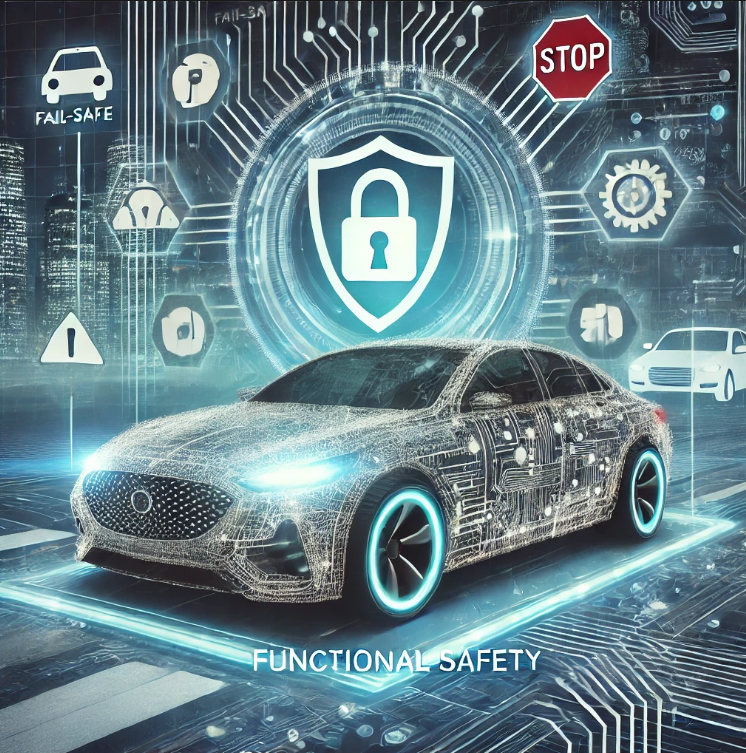
Introduction Automotive safety has become a critical focus as vehicles transition toward autonomous driving, connected mobility, and electrification. Ensuring safety in these high-tech vehicles requires cutting-edge System-on-Chip (SoC) solutions that offer high performance, real-time processing, and robust security. The Challenges in Automotive Safety Modern vehicles demand sophisticated safety features such as Advanced Driver Assistance Systems […]
The Role of SoCs in Advancing Industrial Safety

Introduction In today’s fast-paced industrial landscape, safety is paramount. With the rise of automation, IoT, and AI-driven processes, ensuring industrial safety requires cutting-edge technology. System-on-Chip (SoC) solutions are at the forefront of this evolution, integrating high-performance computing, real-time monitoring, and AI-driven analytics to minimize risks and enhance operational reliability. The Growing Complexity of Industrial Safety […]